As of March 13, 2026, the Pan American Health Organization (PAHO) and World Health Organization (WHO) have reported cases of yellow fever activity in certain regions where the disease is typically found. Yellow fever is a viral disease spread by infected mosquitoes and is most common in tropical areas of Africa and South America. While it is preventable through vaccination, outbreaks can still occur, especially in areas with low vaccination rates.
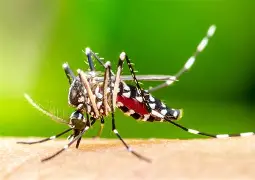
Yellow fever is caused by the yellow fever virus and is transmitted through the bites of infected mosquitoes, primarily the Aedes species. These mosquitoes become infected after biting an infected human or animal, such as a monkey, and can then spread through direct person-to-person contact. The disease is most commonly found in tropical climates where mosquitoes thrive. While there is no specific antiviral treatment for yellow fever, it can be prevented through vaccination.
Initial symptoms of yellow fever include fever, severe headache, chills, back pain, body aches, nausea, vomiting, weakness, and fatigue. After you have been infected, some individuals may develop immunity. In a small percentage of cases, the disease can progress to a more severe form of the disease after initial symptoms improve. Severe symptoms may include jaundice (yellowing of the skin or eyes), bleeding, organ failure, and shock. Among those who develop severe yellow fever, approximately 30-60% may die.
The most effective way to prevent yellow fever is by getting vaccinated with the yellow fever vaccine. Additional prevention methods include reducing mosquito exposure by using insect repellent, wearing protective clothing, and eliminating standing water where mosquitoes can lay eggs. These steps are especially important in areas where yellow fever is present. Stay safe!