DYLAN’S LAB

Welcome to Dylan’s Lab, where curiosity inspires change!
Hi, I’m Dylan Gourdine and I am a 13-year-old science enthusiast who loves exploring how science helps us understand and improve the world around us.
This is a place where asking questions and learning new things can lead to positive change in ourselves, our communities, and in the world.
In a world where science shapes everything around us, staying informed and up to date matters. When you’re in the know, you not only grow and you gain knowledge to protect yourself, your loved ones, and your community.
STAY INFORMED & STAY CONNECTED
Don’t miss out! Subscribe to receive Dylan’s monthly science blog featuring public health insights, research topics, and interesting fun facts, straight to your inbox.

BLOG ENTRIES
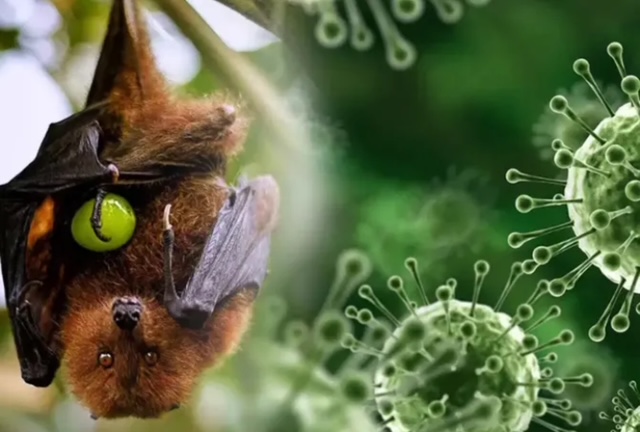
The Nipah Virus. What You Should Know!
Most people understand that viruses can cause outbreaks. Viruses typically start by infecting the initial “host” and then spread amongst the population, creating a chain of infections. This is why the best way to evade a virus’s spread is to quarantine. Many viruses…
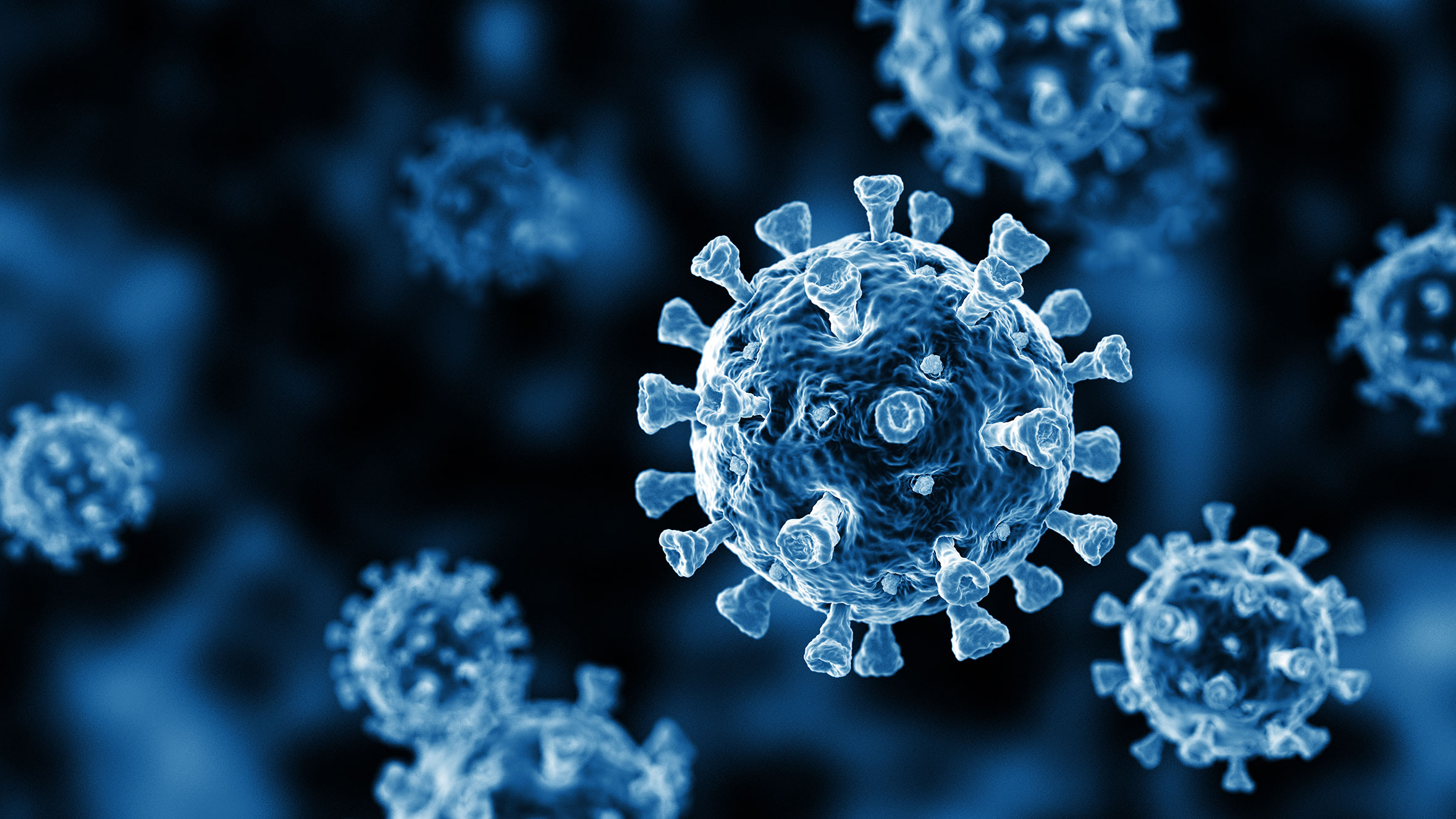
Did Covid Really End?
In 2020, a pandemic occurred, involving a rapid spread of a disease called the coronavirus (also known as COVID or COVID-19). Many think the virus was eliminated years ago…but did it ever go away? COVID-19 is a virus that primarily harms the respiratory system and is…
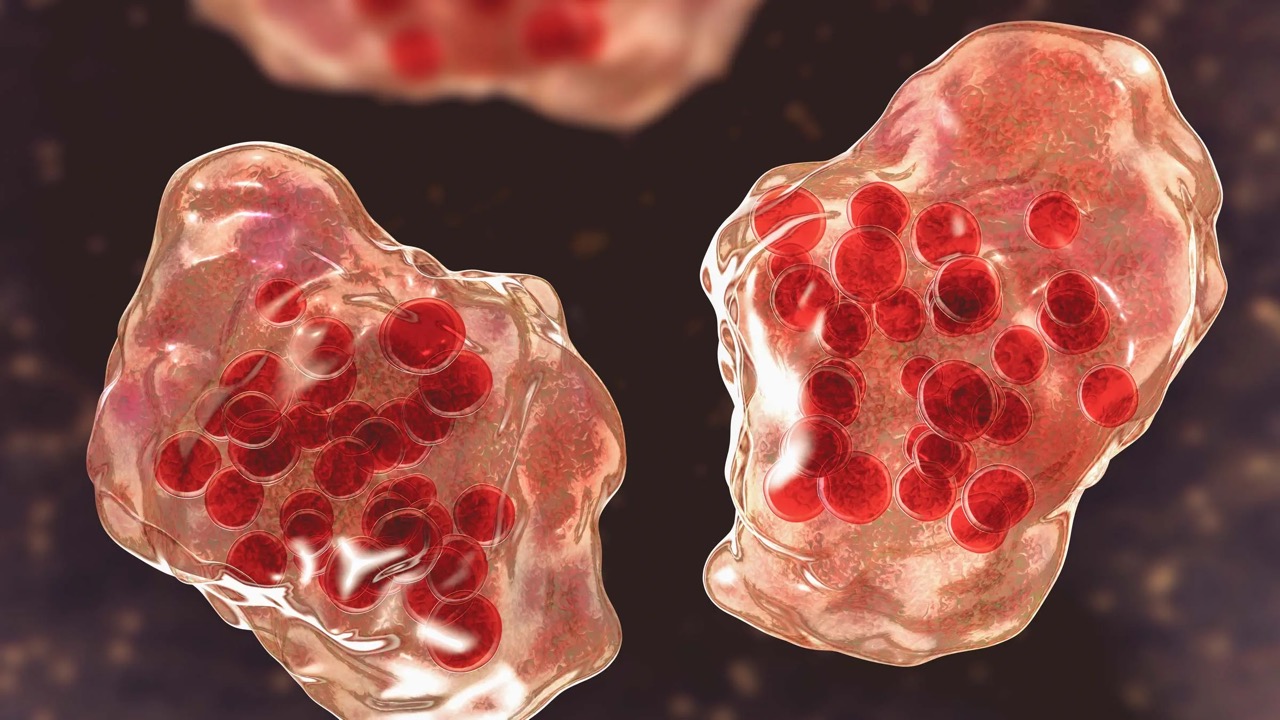
Have Measles Returned? What everyone should know!
Measles, (also known as rubeola) has the virus made a comeback or did they never truly leave? The World Health Organization (WHO) has identified a significant decrease in cases of measles (88% drop) since 2000. However, in 2024, there were 95,000 deaths reported due…

Why did I start a Science Blog?
MY WHY: My desire to inform and educate My sense of community and responsibility My curiosity and interest in science My belief is that knowledge should be shared. It can help protect and keep people safe I began this science blog at 13 years old. Science is my…

The three P’s of Public Health are: Prevention, Promotion, and Protection.
The human body has 206 bones. The strongest bone is the femur which is located in the upper leg, that extends from the hip joint and down to the knee joint. Two of the weakest bones are the bones inside your nose or the clavicle/collarbone.
Studies have found that cooler temperatures may reduce allergies an inflammation, while also helping to improve clear thinking and performance of daily tasks better.
Out of all the five senses, smell triggers the most nostalgia. The nose can remember up to trillions of scents.