What Are Tick-Borne Diseases?
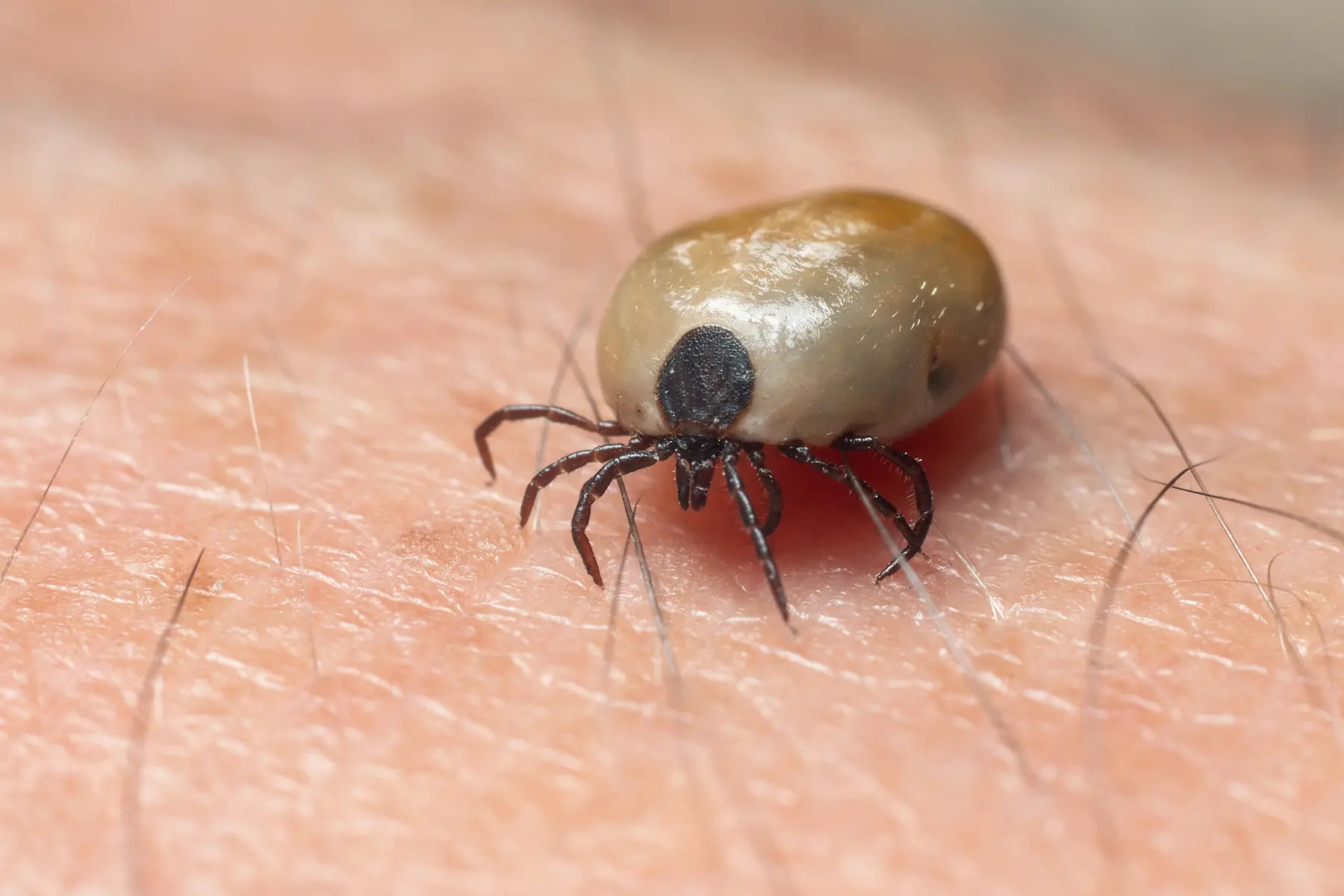
Do you enjoy hiking? Camping? Gardening? Or simply spending time outside? If you do, there is a tiny creature you should know about: the tick. Ticks are small, wingless blood-sucking arachnids that are visually similar to spiders that carry bacteria, viruses, and parasites that can cause diseases.
Diseases carried by ticks include:
· Lyme disease (a bacterial infection that can cause a fever, fatigue, body aches, and an expanding rash that sometimes looks like a bull’s eye. It spreads by infected blacklegged ticks.)
· Anaplasmosis (causes fever, chills, and severe headaches. Affects white blood cells. Spread by deer ticks.)
· Babesiosis (a disease caused by microscopic parasites that infect and can destroy red blood cells. Spreads by infected blacklegged, or deer, ticks.)
· Ehrlichiosis (Fever, fatigue, muscle pain. Spread primarily by lone star ticks.)
· Alpha-gal Syndrome (an allergy that can develop after certain tick bites, especially lone star tick bites. It can cause reactions to red meat and some other products made from mammals.)
· Powassan Virus (a rare viral infection that can affect the nervous system. Spread by deer ticks)
· Rocky Mountain Spotted Fever (RMSF) (a serious bacterial disease spread by dog ticks and wood ticks. It can cause a fever, headache, and a rash that may begin on the wrists and ankles)
As of April 2026, the Centers for Disease Control and Prevention (CDC) reported that emergency room visits for tick bites were at a concerningly higher than usual rates in many parts of the U.S. It’s important to keep in mind that while not every tick carries diseases, it’s advised being wary of areas where they are commonly found. These are typically wooded and bushy areas, as ticks have legs equipped with holding onto shrubs, waiting to latch onto anything that passes. Ticks prefer to latch onto warm, moist and hidden areas of the body where skin is thin or clothing fits tightly. These areas include the scalp, hairline, and waistline, as well as behind the ears, under the arms, behind the knees, and between the legs.
After spending time outdoors, take a few simple steps to protect yourself from ticks. Shower within two hours of coming indoors to help wash off any unattached ticks and check your body all over. If a tick is attached, remove it right away, using clean, fine tipped tweezers, pulling steadily upward.
Protecting yourself starts before you head outdoors, too. Tick repellent is also available and recommended. Make sure the tick repellent is an EPA-registered insect repellent labeled for protection against ticks, following the directions. So, the next time you head outdoors, be equipped, cautious, and appropriately dressed for any potential ticks. Stay safe!