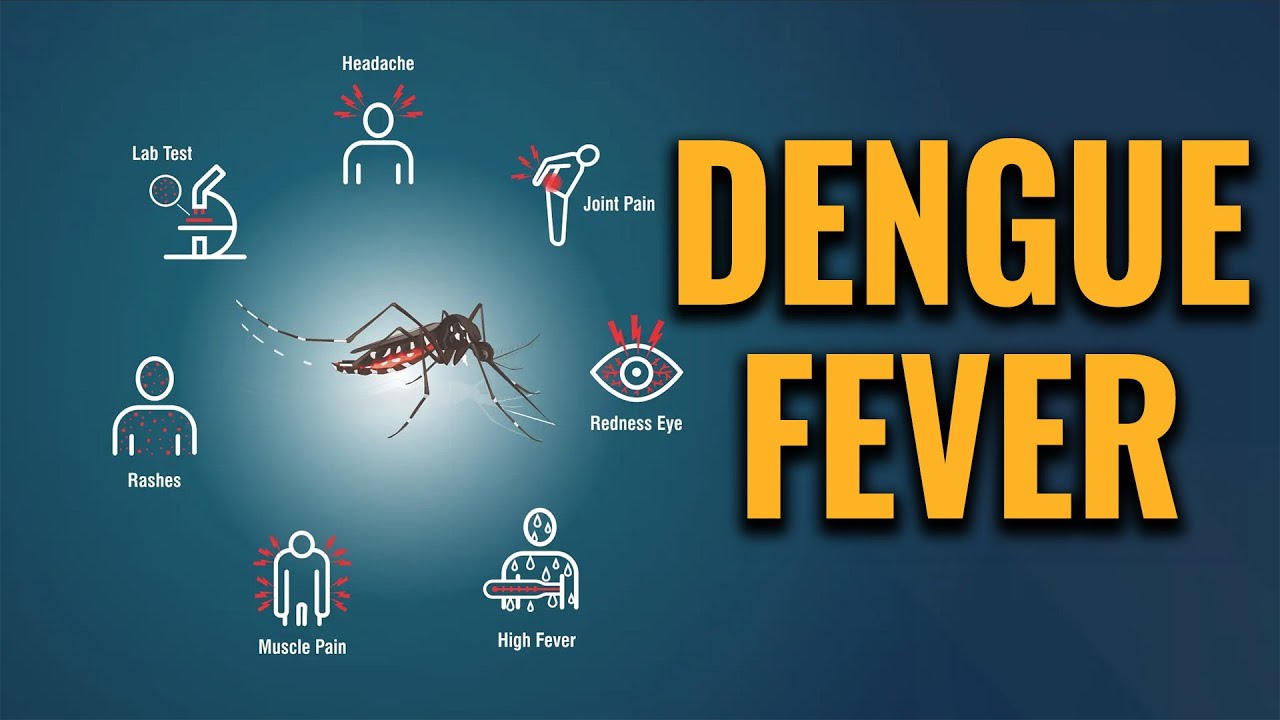
In 2024, dengue fever reached a record high with 14.6 million cases and a reported 12,000 deaths. So, what is dengue fever? It’s important to clarify first that this doesn’t necessarily mean dengue fever will continue spreading at record levels or become a global pandemic. This blog is simply to explain what it is and what causes it. Dengue is a viral infection transmitted by a common culprit, the mosquito, when infected. Most people who catch dengue typically don’t show symptoms. However, the symptoms can range from mild to severe depending on the infection. Common symptoms include:
- high fever
- headache
- body aches
- nausea
- vomiting
- swollen glands
- muscle and joint pains
- pain behind the eyes
- rash
Thankfully, most people recover within 1-2 weeks. In severe cases, dengue can be life-threatening. Symptoms of severe dengue include:
- rapid breathing
- fatigue
- restlessness
- blood in vomit or stool
- bleeding gums or nose
- severe abdominal pain
- persistent vomiting
- pale and cold skin
- extreme thirst
- weakness
Most cases are called dengue, while the more dangerous form is known as severe dengue. Like most mosquito-borne diseases, the only way to prevent dengue is to be wary of mosquitoes or to use repellent. Understanding diseases like dengue is important in public health because it helps scientists track outbreaks and protect communities. Stay safe!