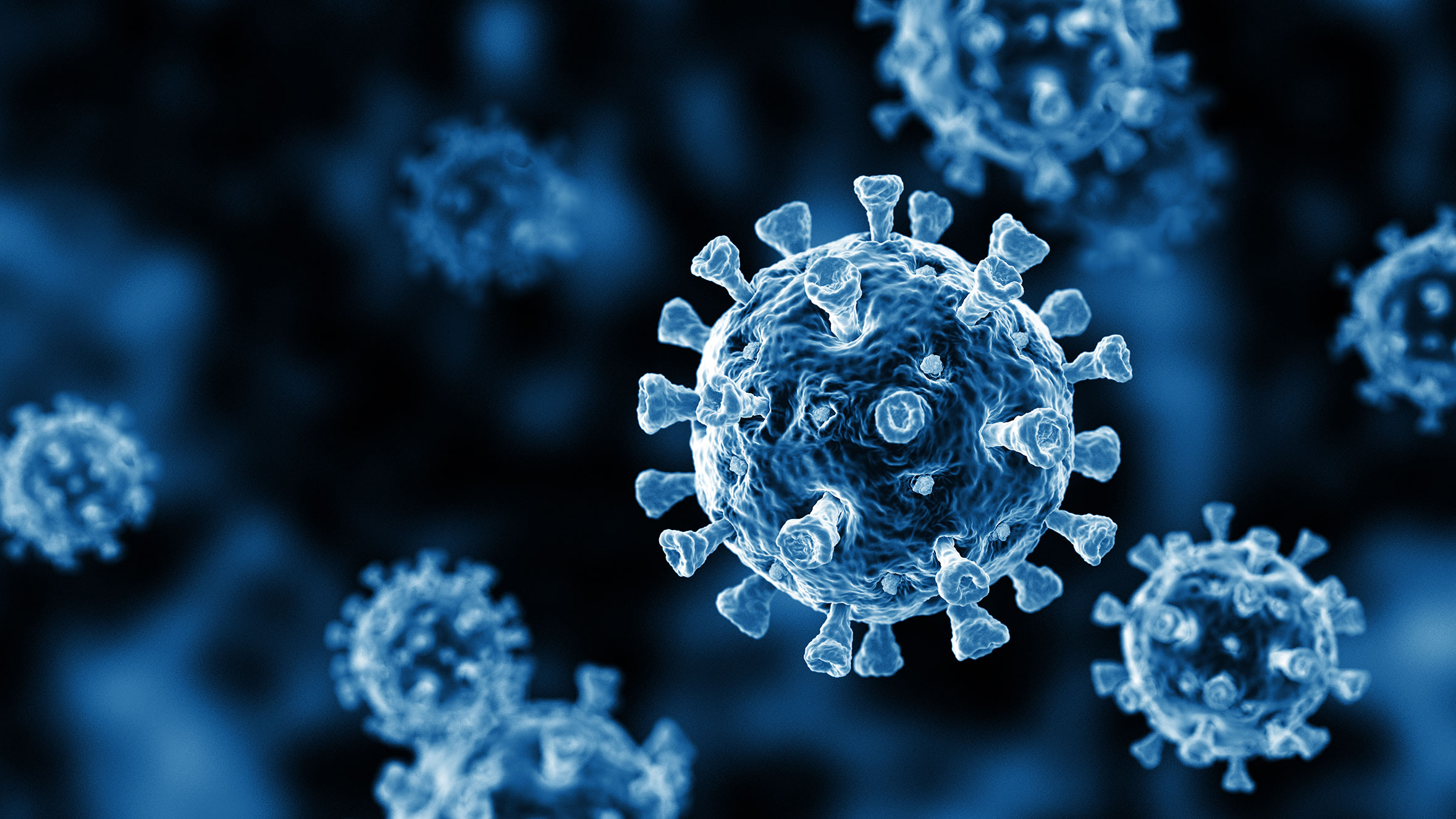
In 2020, a pandemic occurred, involving a rapid spread of a disease called the coronavirus (also known as COVID or COVID-19). Many think the virus was eliminated years ago…but did it ever go away? COVID-19 is a virus that primarily harms the respiratory system and is spread through droplets and particles from those who carry the virus. It started in the year 2020, caused by the SARS CoV-2 virus. The rapid spread was devastating, killing around 3 million people. As mentioned prior, around three years later, cases dropped, and many think that COVID is gone completely; this is false. The misconception is caused by the fact that COVID was not considered a public health emergency anymore in 2023, although it still exists and can still be caught.
Viruses can have multiple “strains” and “variants”. When a virus is replicated, it undergoes genetic changes that allow it to better survive within a host. A virus variant becomes a strain when it develops new characteristics, such as different symptoms and increased transmissibility.
Dr. Anthony Fauci explains that “A virus will not mutate if you don’t allow it to.” A way to prevent virus mutation/replication is none other than vaccination. Vaccines imitate infections and engage the immune system’s natural defenses. They help the body to learn about a disease, so your immune system knows what to do if you do catch it. Essentially, it’s your body’s way of “training” or “preparing.” Vaccines are recommended to help you survive.
In conclusion, COVID-19 cases may have dropped significantly since 2020; however, it’s still active. While not as dangerous as before, remember that viruses can continue to mutate and replicate due to under vaccination. Staying up to date on vaccinations helps keep your immune system trained to recognize and fight off harmful viruses.